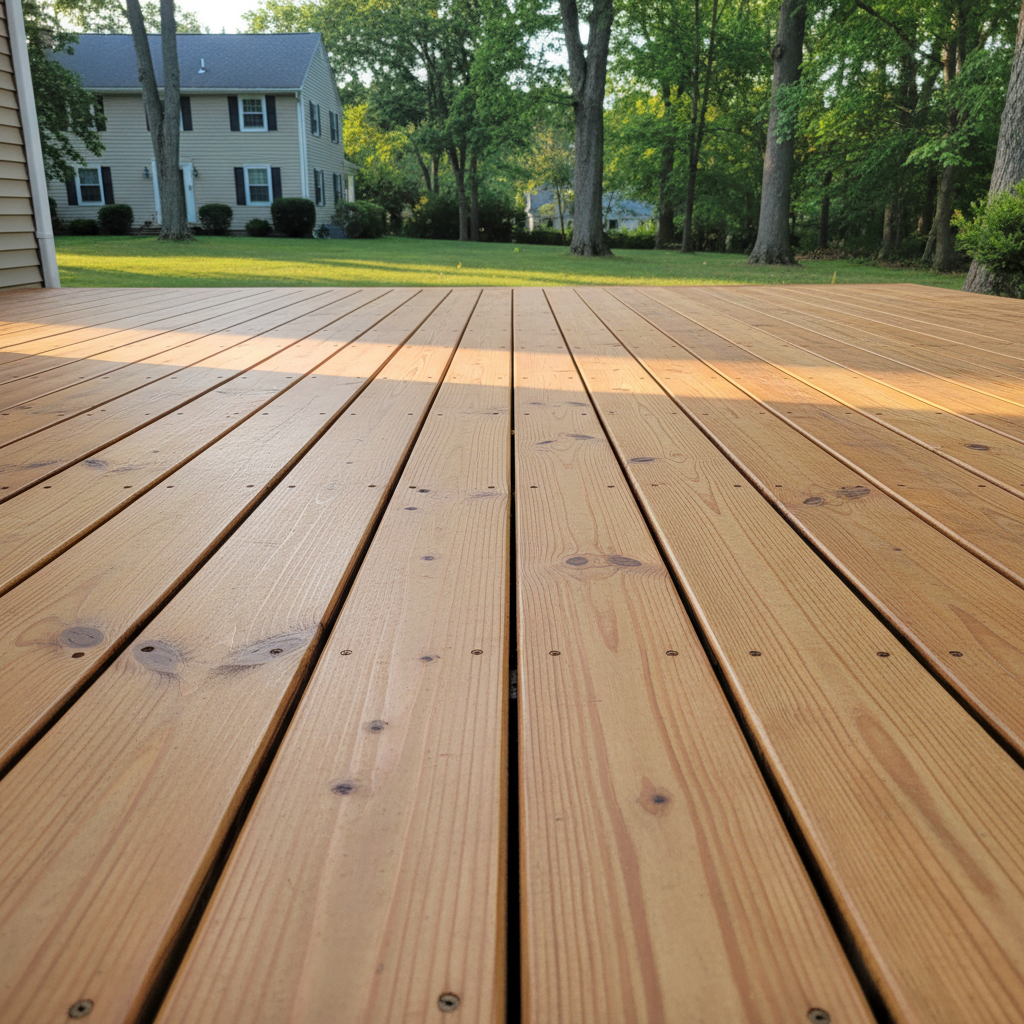
So, you're thinking about a new wooden deck, or maybe just fixing up an old one, and you've got questions. That's a good thing, really. It means you're doing your homework. I've been building and fixing decks around New Britain for years now, and honestly, I hear the same things come up time and again. So, let's dive into some of those common questions you might have.
What's the best type of wood for a deck in Connecticut?
This is probably the number one question I get asked. There isn't really a single 'best' answer, you know? It really depends on your budget, how much maintenance you're willing to do, and the overall look you're after. For pressure-treated lumber, which is what most folks go with, I usually point people towards Southern Yellow Pine. It's affordable, easy to find, and when it's treated right, it holds up really well against our New England weather. Those hot, humid summers and snowy winters we get here in New Britain can be pretty tough on wood, after all.
Now, if you have a bit more budget and want something that'll last longer with less fuss, hardwoods like Ipe or even cedar are fantastic choices. Ipe is incredibly dense and tough, almost like ironwood, but it does come with a higher price tag and can be a little trickier to work with. Cedar naturally resists rot and insects, and it ages to a lovely silver-gray if you just let it be. Just remember, no matter what wood you pick, proper installation and regular maintenance are absolutely crucial to how long it lasts.
How long can I expect a wooden deck to last?
A deck that's built well and kept up properly can stick around anywhere from 10 to 30 years—sometimes even longer. Pressure-treated pine usually lands in that 15-20 year sweet spot if you're good about cleaning and sealing it every couple of years. Cedar might give you 20-25 years. Hardwoods like Ipe? You're easily looking at 25-40 years, if you take care of it.
So, what really kills decks prematurely? Water damage, rot, and just plain neglect. If you let leaves pile up, don't bother cleaning off mildew, or skip sealing for years on end, you're definitely going to shorten its life. Also, things like good ventilation underneath the deck are super important, especially in areas like the West End where some older homes have decks built low to the ground with hardly any airflow. That trapped moisture just eats away at the wood.
Can I build a deck myself, or should I hire a professional?
Look, if you're handy, own the right tools, and actually understand the local building codes, then yes, you can build a deck yourself. I've certainly seen some impressive DIY jobs out there. But I've also seen some absolute nightmares that ended up costing more to fix than if the homeowners had just hired someone from the start. Decks aren't just a few boards nailed together; they need to be structurally sound, safe, and up to code. There are specific rules for footings, joist spacing, how the ledger board attaches, and railing strength—stuff you really can't skimp on.
If you're unsure about any of those things, or if you're planning a multi-level deck or one that's high off the ground, I really recommend bringing in a professional. We've got the experience, the specialized tools, and we know all the ins and outs of getting permits and passing inspections here in New Britain. It's really about safety, and ensuring your investment lasts.
What are the common signs my deck needs repair or replacement?
Keep your eyes peeled for a few things. First, soft spots or spongy areas on the deck boards – that's a big red flag for rot. Loose or wobbly railings are another major safety concern, obviously. If you spot cracks or splits in the wood, especially near fasteners, that's a sign of wear and tear. Any noticeable sagging in the deck surface or visible movement in the support posts should be dealt with right away.
Also, check the ledger board where the deck connects to your house. If it's pulling away, rotting, or if the flashing is messed up, you've got a serious problem that could actually lead to water damage inside your home. Don't ignore these signs; a small repair now can often stop you from needing a full replacement later. If you're not sure, just give Premium Deck Solutions a call, and we can come take a look.
Do I need a permit to build or replace a deck in New Britain?
Absolutely, yes. For pretty much any new deck construction or a big deck replacement project here in New Britain, you're going to need a building permit from the city. This isn't just a bunch of bureaucracy, either; it's there to make sure your deck is built safely and meets all the structural requirements. The permit process usually means submitting plans, getting them reviewed, and then having inspections at different points during construction.
Even for repairs, if you're swapping out more than a certain percentage of the deck boards or structural pieces, you might need a permit. It's always smart to check with the New Britain Building Department before you start any major work. Skipping the permit can lead to fines, having to tear down what you've built, or problems when you try to sell your home down the line.
How much does a new wooden deck typically cost?
Ah, the million-dollar question, right? The cost of a new wooden deck can swing wildly depending on its size, how complicated it is, the type of wood you pick, and any special features like built-in benches, pergolas, or multiple levels. A basic, ground-level pressure-treated deck will, of course, be less expensive than a large, multi-tiered one made of exotic hardwood.
Generally speaking, you can expect to pay anywhere from $25 to $50 per square foot for a pressure-treated deck, installed. Hardwoods or more intricate designs can push that figure upwards of $60-$80+ per square foot. These are just rough estimates, though, so don't take them as gospel. The best way to get an accurate number is to get a few quotes from reputable local contractors. Make sure those quotes clearly break down material costs, labor, and include any permit fees.
What about pests? How do I keep bugs and rot away from my wooden deck?
Pests are a real concern, especially with wood. Termites and carpenter ants just love to munch on wood, and rot? That's caused by fungi that thrive in damp conditions. The best defense is a good offense: proper maintenance. Keep your deck clean, sweep off debris regularly, and don't let leaves or dirt pile up, especially in corners or around posts. These piles can trap moisture and create the perfect little home for pests and rot.
Make sure there's good drainage around and under your deck. Trim back any shrubs or plants that are touching the deck, because they can hold moisture against the wood and give insects an easy bridge. Regular sealing or staining also creates a barrier against moisture and some pests. If you see signs of insect activity, like sawdust trails or tiny holes, deal with it quickly. Sometimes, you might even need a professional pest control service, especially if you suspect termites.
Hopefully, this clears up some of those nagging questions you've had. A wooden deck is a fantastic addition to any home, offering a great outdoor living space. Just make sure you're making informed decisions to keep it safe and beautiful for years to come.