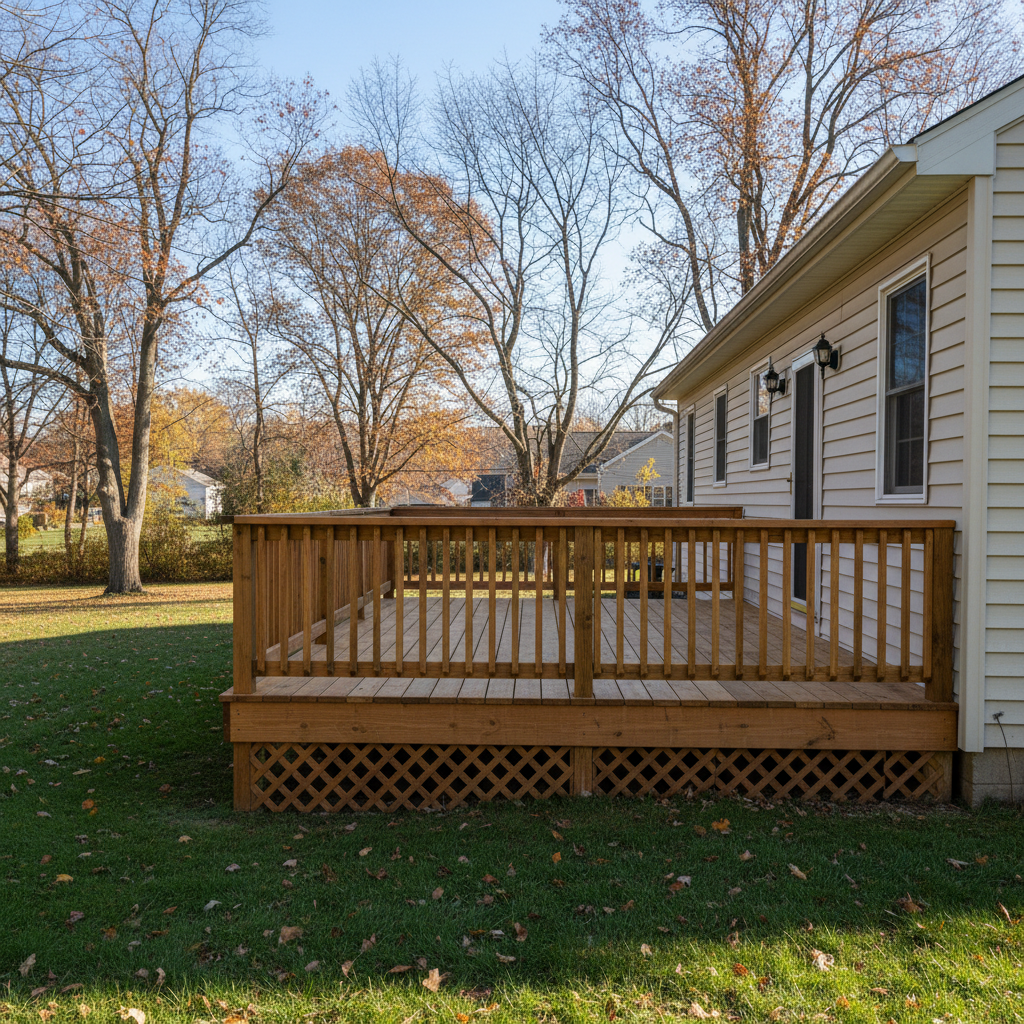
Got a deck that's seen better days? Maybe a wobbly railing, a few splintered boards, or some loose steps. You're probably thinking about getting it fixed, but timing is everything, especially here in New Britain. It's not just about finding a contractor; it's about making sure the repair actually lasts, and our New England weather plays a huge role in that.
When's the Best Time for Deck Repair?
Honestly, you can do minor repairs pretty much any time of year if you're just replacing a few boards or tightening some screws. But for anything more substantial – like replacing a whole section, fixing structural issues, or even a full re-decking – you've got to consider the seasons. I've seen folks try to rush things, and it usually doesn't end well.
- Spring (April-June): This is prime time. The ground's thawed, the really cold, wet weather is usually behind us, and it's not scorching hot yet. Wood can breathe, glues and sealants cure properly, and contractors aren't usually slammed with emergency calls from winter damage. If you notice issues after the snow melts, get on the phone then.
- Late Summer/Early Fall (August-October): Another excellent window. The humidity starts to drop, and you get those beautiful, dry days. This is ideal for any work involving wood drying out or finishes curing. You want to get repairs done before the deep freeze sets in, so any new wood or fasteners have time to settle.
- Winter (December-March): Generally, I'd say avoid major repairs unless it's an emergency. Working in freezing temperatures is tough on materials and people. Plus, things like concrete footings can't be poured, and many sealants won't cure correctly. You can do some indoor prep work, but outdoor repairs are a no-go for anything significant.
- Mid-Summer (July-August): It's doable, but the heat and humidity can be a pain. If you're staining or sealing, you'll need to watch the forecast for high humidity, which can mess with drying times. Direct, intense sun can also cause fresh wood to warp if it's not protected quickly.
How New Britain Weather Affects Deck Work
Our local climate isn't just about hot summers and cold winters; it's the constant freeze-thaw cycles, the humidity, and the heavy snow loads. These are all factors I consider when Premium Deck Solutions tackles a repair job.
For instance, those old triple-decker homes around the Broad Street area, with their older, often neglected decks, really feel the impact of our winters. The constant expansion and contraction of wood from temperature swings can loosen fasteners and crack boards. When we're doing repairs, we're not just fixing the visible damage; we're thinking about how to make it withstand the next season. That's just good planning, right?
- Moisture: This is the big one. Wood swells when it's wet and shrinks when it dries. You don't want to repair a deck when the wood is saturated from rain or snowmelt. It'll shrink later, and your repairs might not hold tight. We always aim for dry conditions.
- Temperature: Extreme cold makes wood brittle and harder to work with. Fasteners don't drive as cleanly, and some adhesives won't bond. Extreme heat can make wood warp quickly if it's not installed and secured fast.
- Humidity: High humidity slows down the drying and curing of stains, paints, and sealants. If you apply a finish in high humidity, it might not stick right, leading to peeling or bubbling down the line.
- Wind: Strong winds aren't just annoying; they can blow dust and debris onto fresh finishes, ruining the look. They can also make it dangerous to work on higher decks.
Protecting Your Deck Investment Year-Round
Once your repairs are done, you want them to last. Here's how you protect that investment:
First, keep it clean. A simple sweep and wash a couple of times a year goes a long way. Get rid of leaves, dirt, and mildew. Those things hold moisture against the wood, which is a recipe for rot.
Second, check for loose fasteners regularly. A quick walk-around with a screwdriver or drill can save you bigger headaches down the road. Tighten anything that feels wobbly.
Third, reapply sealant or stain as needed. For wood decks, this is crucial. Depending on the product and how much sun/weather your deck gets, you might need to do this every 1-3 years. It's like sunscreen for your deck, protecting it from UV rays and moisture.
Fourth, manage snow and ice. Don't let huge piles of snow sit on your deck for weeks. While decks are built to handle snow loads, prolonged moisture contact isn't good. Use plastic shovels to avoid damaging the surface.
Finally, don't ignore small issues. A tiny crack or a slightly soft spot can turn into a major structural problem if left unchecked. If you see something, say something – to yourself, or to a professional like us at Premium Deck Solutions. Addressing problems early is always cheaper and easier than waiting until they're a crisis.
Your deck is an extension of your home, and with a little seasonal attention and smart timing for repairs, it'll serve you well for years to come.