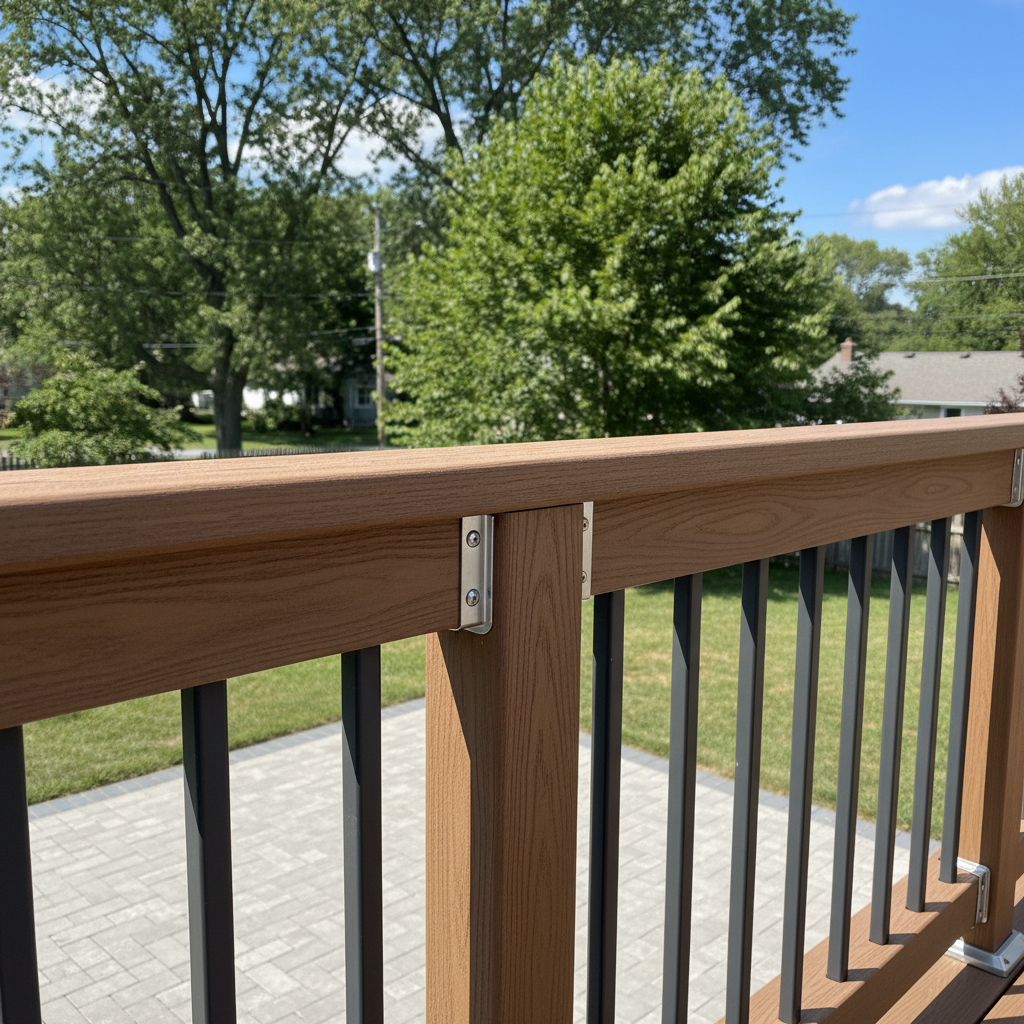
What are my options for deck railing materials?
When it comes to deck railings, you've got a few main choices. Each one has its own vibe and different upkeep needs. Take wood, for example. It's a classic, right? It can match your deck perfectly, and you can paint or stain it any color you like. The downside, though, is that it needs regular attention – sanding, staining, or painting every couple of years. That's especially true with our New Britain winters and those humid summers we get. If you skip that upkeep, wood can rot, splinter, or even warp.
Then there's composite. This stuff is fantastic if you're looking for something low maintenance. It's usually a blend of wood fibers and plastic, which means it stands up well to rot, insects, and fading. You'll find it in tons of colors and styles, and it often comes with a pretty long warranty. Sure, the initial cost is usually a bit more than wood, but you'll save a lot on maintenance expenses later on.
Aluminum railings are another popular pick. They're super durable, lightweight, and won't rust, rot, or ever need painting. They give off a really clean, modern look, and you can get them in various powder-coated finishes. Honestly, they're practically maintenance-free, which is a huge plus for anyone with a busy schedule. Steel is similar, but it's heavier and often used when you need maximum strength. Just keep in mind it can be prone to rust if it's not coated properly.
Oh, and don't forget cable railings. These use thin stainless steel cables strung horizontally or vertically between posts. They give you a very modern, open feel that won't block your view – fantastic if you've got a nice backyard to show off. They're low maintenance too, but the first-time installation can be a bit more involved and costly.
How high do my deck railings need to be?
This is a big one, all about safety and local codes. For residential decks, the general rule here in Connecticut, and what we follow in New Britain, is that any deck surface more than 30 inches off the ground needs a railing that's at least 36 inches high. If your deck is part of a commercial spot or a multi-family building, that height often jumps to 42 inches. There are also rules about the space between balusters – usually no more than 4 inches, meaning a 4-inch sphere shouldn't be able to pass through. This is all to keep kids and pets safe, naturally. Always check with your local building department, or better yet, hire a pro like us at Premium Deck Solutions; we know these codes inside and out.
Can I mix and match railing materials?
Absolutely! It's actually a fantastic way to get a truly custom look. For instance, you could have sturdy composite posts and top rails, but then use aluminum balusters or even glass panels in between. This gives you the best of both worlds – the low maintenance of composite with the sleekness of metal or the clear view of glass. I've done projects where people wanted the warmth of wood posts but with black aluminum spindles for a modern contrast. It really opens up design possibilities and can make your deck genuinely stand out.
Do I need a permit to replace my deck railings?
Most of the time, yes, you do. Even if you're just swapping out existing railings, if you're changing the material or the design a lot, or if the original deck needed a permit, it's safer to assume you'll need one. The building department just wants to make sure everything meets current safety codes, especially those height and baluster spacing requirements I just mentioned. It's not usually a huge headache, but skipping it can cause problems later on if you ever try to sell your house or if there's an inspection. It's always best to check with the New Britain Building Department before you start any work.
How long does railing installation typically take?
That really depends on a few things: how big your deck is, the kind of railing system you pick, and how complicated the design turns out to be. For a standard 12x12 or 12x16 deck with a simple railing system, like wood or basic composite, we can often get it done in just a day or two. More intricate designs, say cable railings or custom metalwork, or larger decks with multiple levels, will naturally take longer – maybe three to five days. We always try to give you a clear timeline upfront so you know what to expect. We don't like to rush things; getting it right is way more important than getting it fast.
What's the deal with post caps and lighting?
Post caps are those decorative pieces that sit right on top of your railing posts. They're not just for looks, you know; they actually help protect the end grain of your posts from water damage, which is super important for wood. You can find them in all sorts of materials – wood, composite, copper, aluminum – and styles. Some even come with built-in lighting, which is a fantastic upgrade. LED post cap lights or even strip lighting tucked under the top rail can truly transform your deck at night, making it safer and much more inviting. It's a small detail that makes a big difference for both how it looks and how you use it, especially if you like to entertain outdoors after dark.
How do I maintain my new deck railings?
Maintenance really changes a lot depending on the material. If you went with wood, you'll need to clean, sand, and reseal or paint it every couple of years to protect it from the weather. For composite, aluminum, or PVC railings, maintenance is incredibly easy. Usually, a good wash with soap and water once or twice a year is all it takes to keep them looking fresh. For any material, it's a good idea to periodically check for loose fasteners or any signs of wear and tear. Catching small issues early can prevent bigger problems down the line. That's why I always tell folks, a little preventative care goes a long way in protecting your investment.