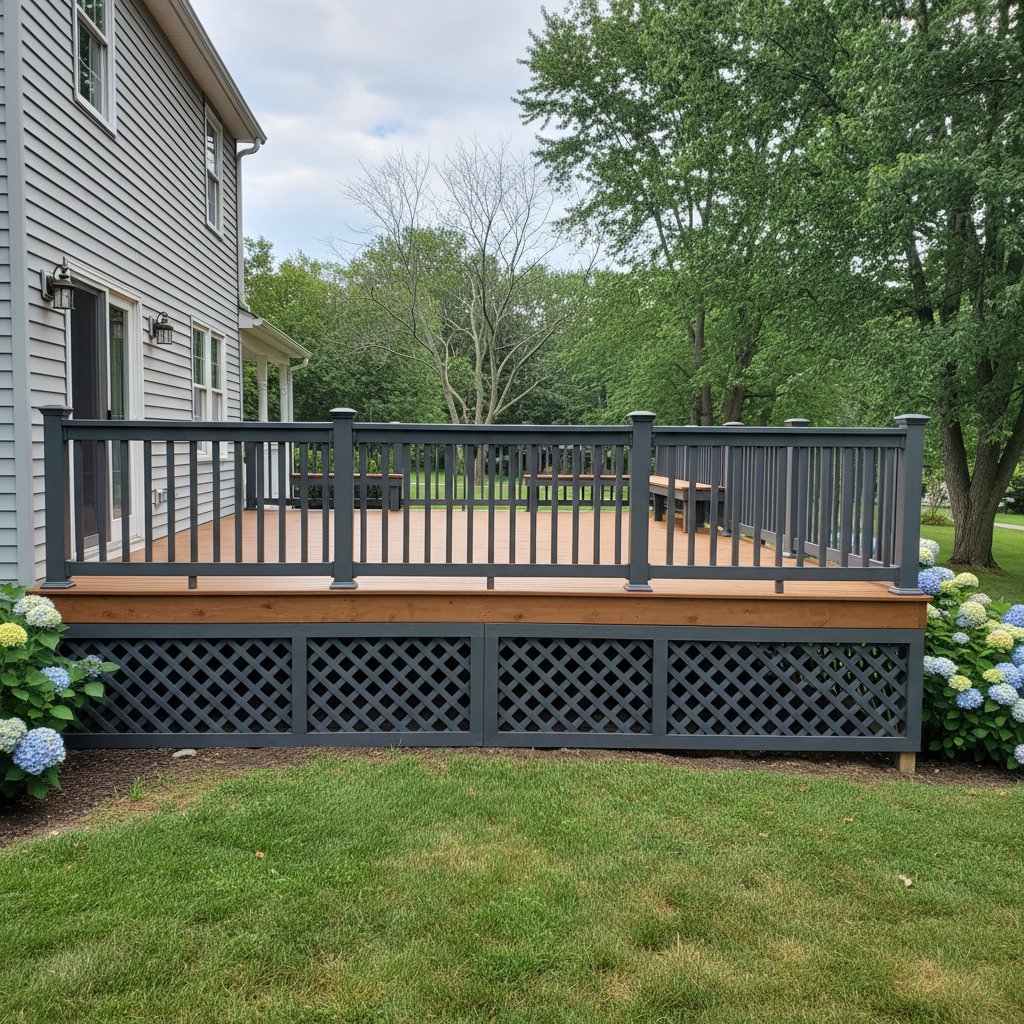
So, you've decided it's time to spruce up the deck. Maybe it's looking a little faded, or the wood's just thirsty for some attention. Good call – protecting your deck is key to making it last, right? But before you grab a brush or call the first guy you see, let's talk about some common blunders I've seen folks make right here in New Britain, and how you can steer clear of them.
Mistake #1: Skipping the Prep Work (Or Doing it Wrong)
This is probably the biggest one, and it's a killer. You wouldn't paint a dirty wall inside your house, would you? Same goes for your deck, but it's even more critical. I've seen people power wash their deck and then stain it the very next day. Big mistake. Wood needs to be bone dry before you apply anything. In our climate, especially after a rainy spring or a humid summer day, that can take a few days, not just overnight. If you trap moisture under the stain, you're asking for peeling, mildew, and a whole lot of headaches down the road.
Then there's the cleaning itself. Just blasting it with water isn't enough, honestly. You need to use a proper deck cleaner to get rid of algae, mildew, and that old, oxidized finish. If you don't neutralize the cleaner, or if you use too high a pressure on your power washer, you can actually damage the wood fibers. This makes it harder for the stain to stick properly. It'll look fuzzy, and it just won't hold up. Take your time, follow the product instructions, and let it dry completely. Seriously, this step is non-negotiable.
Mistake #2: Choosing the Wrong Product for the Job (Or the Wood)
Walk into any big box store, and you'll see a wall of deck stains and paints. It's overwhelming, and it's easy to grab something based on color or price. But not all products are created equal, and certainly not all are right for every deck.
- Solid vs. Semi-Transparent vs. Transparent: If your deck is old, weathered, or has a lot of imperfections, a solid stain might be your best bet. It'll hide a lot and offers more protection. But if you've got beautiful cedar or pressure-treated pine that's in good shape, a semi-transparent or transparent stain will let that natural grain shine through. Just know they offer less UV protection and might need reapplication sooner.
- Oil-based vs. Water-based: This used to be a huge debate, you know? Oil-based penetrates deeper, but water-based has come a long way. Water-based is easier to clean up and often more environmentally friendly. The key is consistency. If you've got an old oil-based stain, putting a water-based one over it without proper stripping can cause adhesion issues.
- Paint vs. Stain: Deck paint is a whole different beast. It forms a film on top of the wood. It's durable, but if it fails, it usually peels and chips, which is a nightmare to fix. Stain, on the other hand, penetrates the wood. When it fails, it typically just fades or wears away, making reapplication much easier. For most decks, I recommend stain over paint every single time.
Don't just pick a pretty color. Think about your deck's condition, the type of wood, and how much maintenance you're willing to do. I've seen beautiful decks in the West End of New Britain get ruined because someone thought a cheap paint would do the trick over a previously stained surface.
Mistake #3: Hiring the Cheapest Bid Without Asking Questions
Look, I get it. Everyone wants to save a buck. But when it comes to something that protects a major investment like your deck, going with the absolute lowest bid without doing your homework is a recipe for regret. Here are some red flags and questions to ask:
- No contract or vague contract: If they can't give you a clear, written contract detailing the scope of work, materials, timeline, and payment schedule, walk away. Seriously.
- No references or portfolio: A reputable contractor, like us at Premium Deck Solutions, will have plenty of examples of their work and happy customers. Ask to see them.
- Can't explain their process: If they can't tell you exactly how they'll prep the deck, what products they'll use, and why, they probably don't know themselves.
- Demands full payment upfront: A deposit is normal, but paying for the whole job before it even starts? Nope.
- No insurance: This is huge. If someone gets hurt on your property or damages something, you could be liable. Always ask for proof of liability and worker's compensation insurance.
A good contractor will take the time to inspect your deck, explain their recommendations, and answer all your questions. They won't rush you or pressure you. They'll also be transparent about pricing and scheduling.
Mistake #4: Ignoring the Weather Forecast
This goes hand-in-hand with the drying time, but it's definitely worth its own mention. You can't stain a deck if it's going to rain in the next 24-48 hours. You also can't do it if it's too hot, too cold, or too humid. Extreme temperatures affect how the product cures and adheres. Always check the forecast for a solid window of good weather – typically 50-90 degrees Fahrenheit, low humidity, and no rain for at least a couple of days after application.
I've seen jobs get messed up because someone tried to beat a pop-up thunderstorm. It's just not worth it. Patience is a virtue when you're working with wood and finishes.
Your deck is an extension of your home, a place for family and friends to gather. Don't let these common mistakes turn your deck project into a headache. Do your research, ask the right questions, and don't cut corners on prep or quality. You'll be glad you did when your deck looks great and lasts for years.