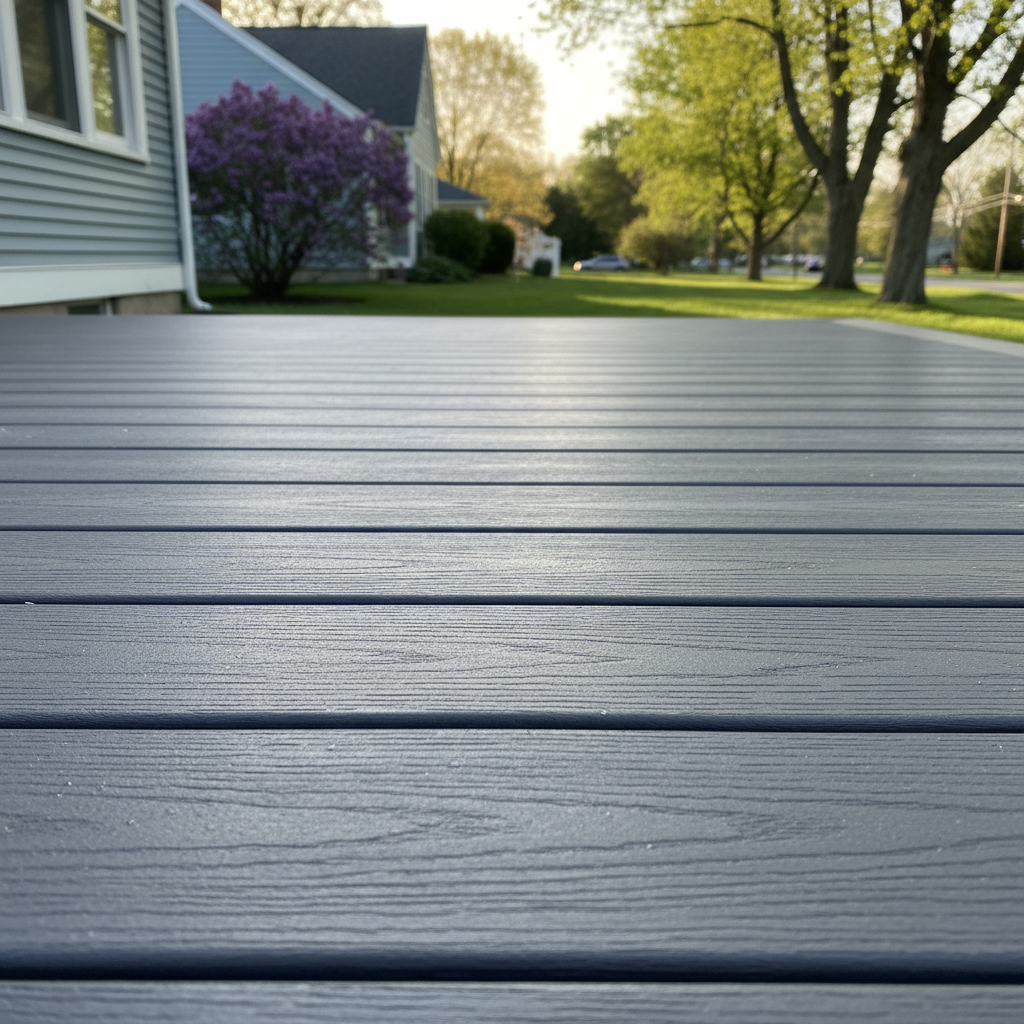
You're probably wondering if a composite deck is really worth the money, or if it's just another fancy trend. I totally get it. Homeowners right here in New Britain ask me tough questions about these decks constantly, and you deserve straight answers, not just some sales pitch. So, let's dig into some of the most common things people want to know.
Is composite decking really 'maintenance-free'?
Let's be real: nothing is truly maintenance-free. If someone tells you that, they're selling you a dream, not a deck. Composite decks are low-maintenance, and that's a big difference. You won't be sanding, staining, or sealing it every couple of years like you would with wood. That's a huge win, especially when life keeps you busy. But you still need to clean it. Dirt, pollen, leaves, and even mold can build up, particularly with our humid Connecticut summers. A good wash with soap and water, maybe a soft brush, and a hose once or twice a year? That's usually all it takes. Think of it like washing your car – you don't repaint it every year, but you do wash it.
How do composite decks stand up to New Britain's weather?
This is where composite really shines, especially for us. We get everything here: freezing winters, heavy snow loads, hot, humid summers, and those spring thaws that can be brutal. Wood expands and contracts a lot with these temperature swings, which can lead to cracking, warping, and splintering over time. Composite, on the other hand, is built to handle it. The materials are designed to resist moisture absorption, so you don't get the rot or insect damage that's so common with wood. The color also holds up better against UV rays, meaning it won't fade as quickly as stained wood in the summer sun. I've even seen composite decks in the West End of New Britain that still look fantastic after years of enduring our crazy weather.
What's the deal with fading and scratching on composite?
Early composite decks, especially the first generation stuff, definitely had issues with fading and even chalking. Manufacturers have come a long, long way since then, believe me. Most modern composite boards, particularly the good quality ones, have a durable cap layer that's designed to resist fading, stains, and even mold. They won't look exactly the same as the day they were installed a decade later, sure, but the change will be minimal and even. As for scratching, no deck material is scratch-proof. If you drag heavy furniture, drop something sharp, or let your dog's claws go wild, you *can* scratch it. But generally, they're more scratch-resistant than softwood decks. If you're worried, look for boards with a harder, more robust cap layer. Premium Deck Solutions always recommends options that offer excellent scratch resistance.
Is composite decking slippery when wet or icy?
That's a fair concern, especially with our winters. Some older or cheaper composite boards can be a bit slick, but most reputable brands today design their boards with textured surfaces to improve traction. Many even have specific slip-resistance ratings. When it comes to ice, any surface can be slippery. Just like a wooden deck, you'll need to be careful. You can use rock salt or calcium chloride on most composite decks without damaging them, but always check the manufacturer's recommendations first. A good snow shovel with a plastic blade is your best friend for clearing snow without gouging the surface.
What about the cost difference compared to wood?
Alright, let's talk money. Upfront, composite decking is almost always going to be more expensive than pressure-treated wood. Sometimes significantly so. That's just the truth of it. You're paying for the advanced materials, the manufacturing process, and the durability. However, you need to think long-term. With a wooden deck, you're looking at regular costs for cleaning, sanding, staining, and sealing every few years. Those costs add up over a decade or two. When you factor in the reduced maintenance and longer lifespan of composite, the total cost of ownership often evens out, and sometimes composite even comes out ahead. It's an investment in your time and peace of mind, not just the material itself.
Can I really repair a damaged composite board?
Unlike wood, where you might sand out a scratch or replace a single board fairly easily, composite can be a bit trickier. Minor scratches might buff out with specialized products, but significant damage like a deep gouge or a snapped board usually means replacing the entire board. This is why it's a good idea to keep a few extra boards from your original installation if you have space. The good news is that because composite is so durable, significant damage is less common than with wood. Most issues are cosmetic and can often be addressed without a full replacement.
Are there different types of composite decking? Which is best?
Absolutely, there are a few main types, and 'best' really depends on your budget and what you prioritize. You've got your traditional composite, which is a mix of wood fibers and plastic. Then there's capped composite, which is the most popular and what I usually recommend. This has that protective outer layer (the 'cap') that gives it better resistance to fading, scratching, and staining. Within capped composite, you'll find different core materials and cap compositions, affecting durability and price. Finally, there's PVC decking, which contains no wood fibers at all. It's usually the most expensive but offers the highest resistance to mold, moisture, and insects. For most New Britain homeowners, a good quality capped composite offers the best balance of performance and value.
What kind of substructure do I need for composite decking?
This is crucial and often overlooked. While the deck boards themselves are composite, the frame underneath – the joists, beams, and posts – is almost always still wood. You need a strong, properly built substructure, usually pressure-treated lumber, that meets local building codes. Composite boards are often heavier than wood, so the spacing of your joists might need to be tighter than for a traditional wood deck. You also need to ensure proper ventilation under the deck to prevent moisture buildup, which can affect both the substructure and the composite boards. Don't skimp here; a great composite deck on a weak or poorly built frame is just a fancy disaster waiting to happen.
Hopefully, this clears up some of those nagging questions you had about composite decks. It's a fantastic product when you understand its strengths and limitations. If you're thinking about a new deck, give us a call at Premium Deck Solutions. We're happy to walk you through your options and help you figure out what makes the most sense for your home.