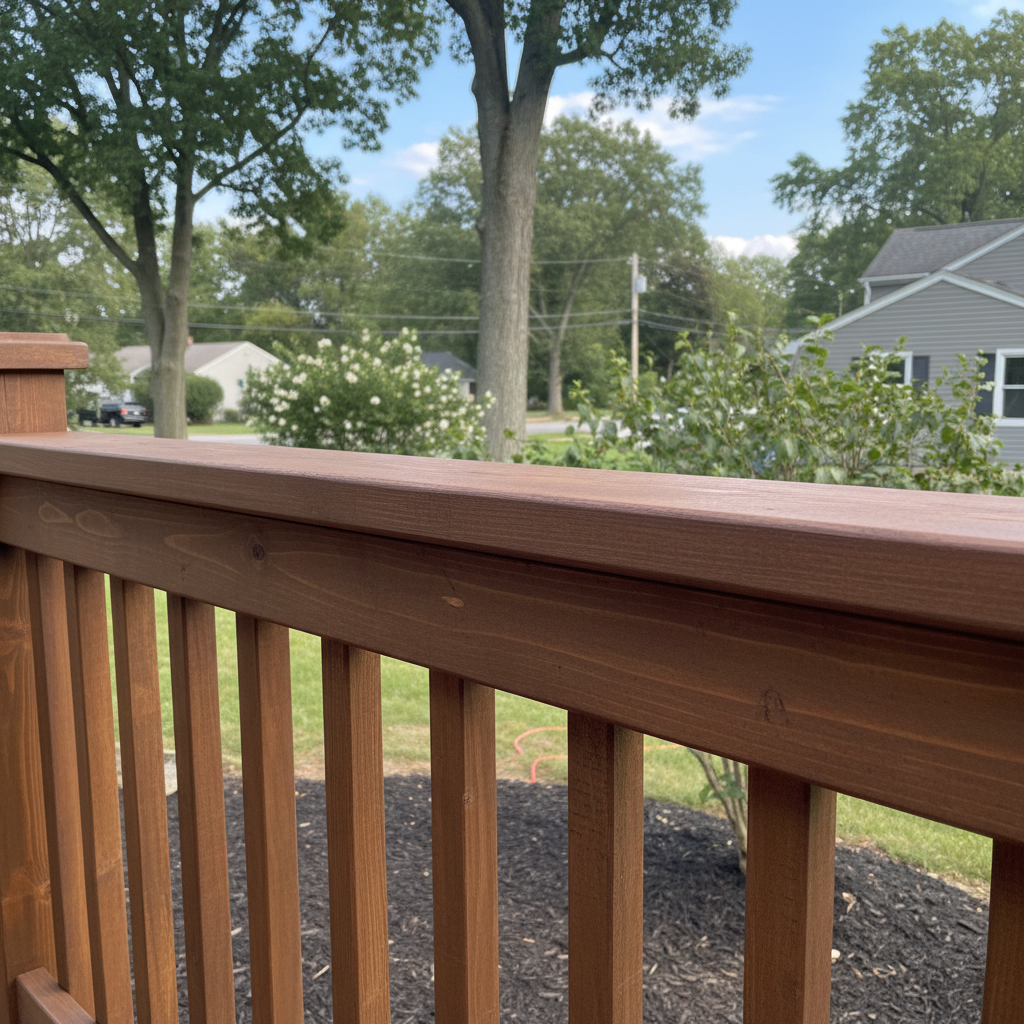
Are your old Deck Railings wobbly, splintered, or looking tired? Installing new Deck Railings completely changes how your backyard looks and, more importantly, keeps everyone safe. Premium Deck Solutions knows what you need to know before you start work, what the actual construction process looks like, and how to figure out if you should tackle this yourself or call a professional Deck Builder in New Britain, CT.
Before You Start: Codes and Prep
You cannot just put any piece of wood or metal around your deck and call it done. In New Britain, if your deck surface sits more than 30 inches off the ground, the local building department requires a guardrail that stands at least 36 inches high. That is the baseline for Deck Railings in New Britain, CT. You also have to make sure your balusters are spaced close enough together that a four-inch sphere cannot slip through. That rule is designed to keep small children and pets from getting stuck or taking a fall.
Before you buy a single post or bracket, check with the New Britain Building Division regarding permits for Deck Railings. If you are swapping out a rotted wooden railing for an identical wooden one, you might fly under the radar. But if you are switching materials—such as going from wood to a sleek aluminum or composite setup—they will likely want to see a permit application. Skipping this step can cause problems later if you try to sell your house and the inspector flags an unpermitted structure.
During the Project: DIY vs. Calling a Pro
Many homeowners wonder if putting up Deck Railings is a good weekend project. Premium Deck Solutions notes that it depends heavily on your skill level and what materials you are working with. If you are building a standard pressure-treated wood railing system, a handy homeowner with a miter saw, level, drill, and a couple of free days can usually get it done. Wood is forgiving, and you can cut it to fit minor discrepancies in your framing.
Where things get tricky—and where Premium Deck Solutions usually tells people to call a professional Deck Builder—is with surface mounting on concrete patios, managing multi-level stairs, or working with high-end aluminum and cable systems. If you make a mistake on a post anchor for your Deck Railings or miscalculate your stair rail height, which needs to sit between 34 and 38 inches from the stair tread nosing, you will waste expensive materials. At Premium Deck Solutions, we see many DIY jobs fail because the posts are not blocked properly underneath the decking boards. If your posts are just bolted through the surface boards without solid framing blocks underneath, a strong winter wind or someone leaning heavily against the rail can snap those bolts right out.
After Installation: Keeping It Solid
Once your Deck Railings are up, the work is not entirely finished. If you chose traditional wood for your Deck Railings, you have regular maintenance ahead of you. The New Britain weather goes from freezing, snowy winters to humid summers, which makes wood swell, shrink, and crack. You will need to clean and reseal or paint that wood every couple of years to keep rot at bay.
If you invested in composite, vinyl, or powder-coated aluminum for your Deck Railings, your post-installation work is very minimal. You can just take a garden hose and some mild soapy water to them once or twice a year to wash off the pollen and dirt. Premium Deck Solutions recommends taking a walk around your deck every spring and giving every post a good shake. Tighten any loose screws before they strip out completely, and your Deck Railings will stay secure for many years in the New Britain climate.